
Hindu-Christian Wedding Planning: Blending Two Faiths Into One Celebration
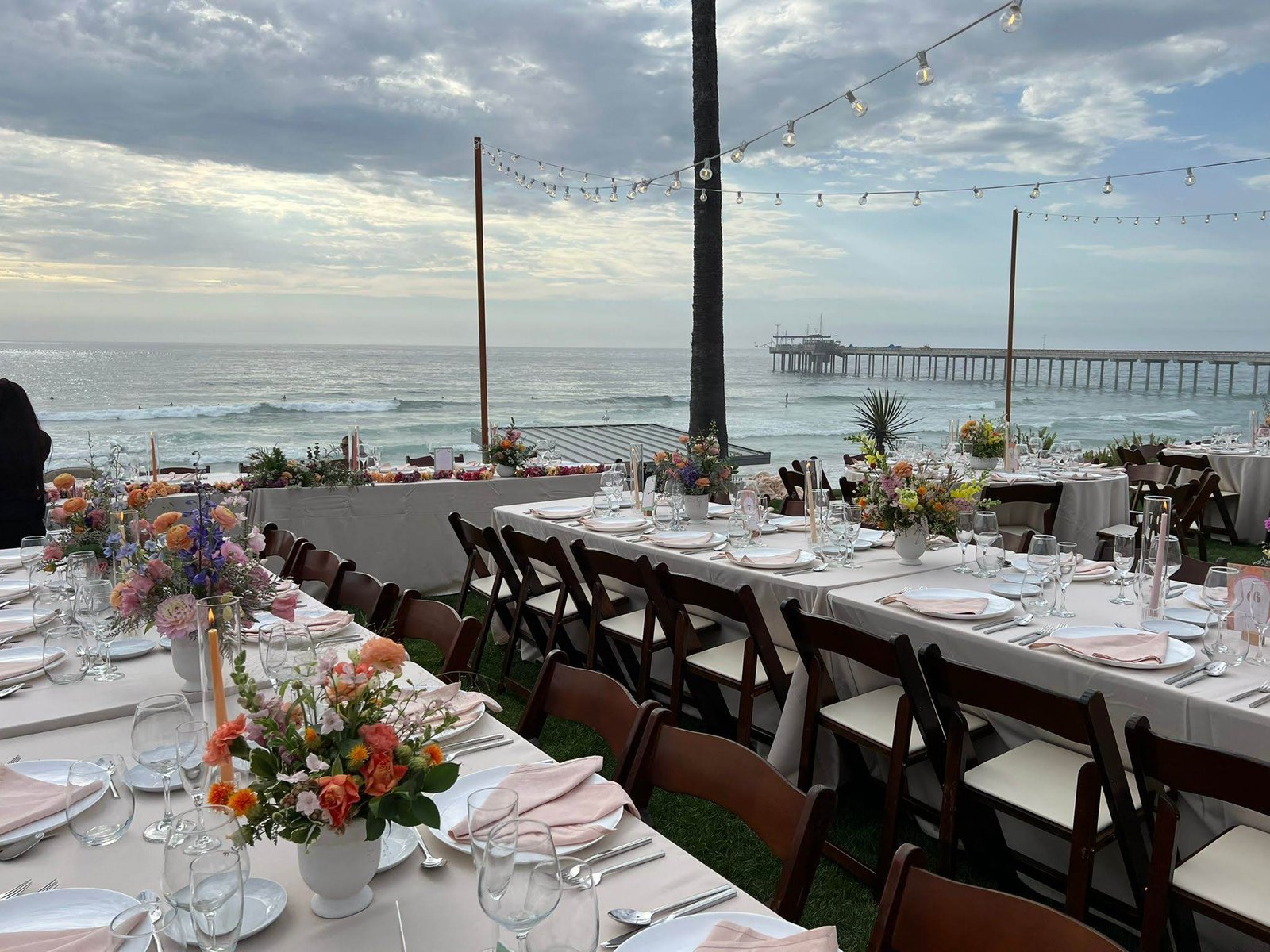
A Hindu-Christian wedding is a beautiful intersection of two rich traditions—one of the most common fusion ceremonies in the United States. If you're planning one, you're already navigating deeper questions than most couples: How do we honor both traditions authentically? What does our ceremony actually look like? How do we talk to our families about this?
The good news: thousands of couples have walked this path successfully, and the framework is clearer than you might think. This guide walks you through ceremony structure, family conversations, tradition-blending strategies, and practical logistics so you can create a wedding that feels true to both of you and respectful to both families.
What You'll Learn
- Three ceremony structures for Hindu-Christian weddings
- How to blend traditions without diluting either
- The family conversation playbook
- Ceremony timeline and logistics
- Common concerns and how to handle them
The Hindu-Christian Wedding Landscape
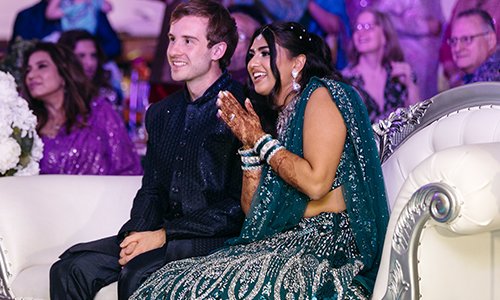
Hindu-Christian weddings are more common than you'd think. In the US, interfaith marriages between Hindu and Christian partners have increased significantly, especially in major metro areas like California. What makes these ceremonies special is that they're neither 'compromise' nor 'addition'—they're synthesis.
The key insight: Hindu and Christian marriage traditions, while different in form, often share similar spiritual values. Both traditions emphasize commitment, family blessing, sacred union, and community witness. That overlap is where the magic happens.
What Makes Hindu & Christian Traditions Compatible?
Marriage as sacred covenant: Both Hinduism (through Vivaha Samskara, marriage as sacrament) and Christianity view marriage as a sacred, lifelong commitment blessed by the divine.
Family involvement: Both traditions deeply involve families and community. Hindu weddings center on family blessing; Christian weddings have family participation in readings and rituals.
Symbolic rituals: Both use physical rituals to represent spiritual truths—Hindu Phere (circles around fire) and Christian vow exchanges both symbolize commitment and unity.
Witness and celebration: Both traditions gather community to witness the union and celebrate afterward.
Understanding these overlaps helps you design a ceremony that feels authentic rather than like a 'pick and choose' buffet.
Three Approaches to Hindu-Christian Ceremony Structure
There's no one 'right' way. Here are the three most common structures, each with different timing, energy, and logistics:
Approach 1: Blended Single Ceremony
Structure: One continuous ceremony that weaves Hindu and Christian elements together seamlessly. Elements flow in a narrative arc: opening blessing → vow exchange (Christian) → Phere (Hindu) → pronounced as married couple.
Ceremony elements (in order):
- Opening: Priest or pastor offers Christian blessing; Hindu pandit offers Sanskrit blessing
- Readings: Christian readings (your choice of scripture) + Sanskrit verses about marriage
- Vow exchange: Bride and groom exchange personal vows (Christian tradition) or Sanskrit vow-taking
- Ring exchange: Christian tradition of rings + Mangalsutra tying (Hindu tradition)
- Phere (Circles): Bride and groom walk around a symbolic fire, with Christian officiant witnessing
- Final blessing: Both clergy offer blessings; couple pronounced married
Timing: 45–75 minutes
Why couples choose this: It feels unified and flow-forward. Guests experience one coherent narrative rather than two separate ceremonies. Energy stays consistent.
Challenge: Requires close coordination between Hindu pandit and Christian officiant. Both must agree on the flow and be comfortable with each other's traditions.
Pro tip: Schedule a pre-ceremony meeting with both clergy members 2–3 weeks before the wedding. Walk through the ceremony step-by-step, discuss timing, and make sure both feel respected in the flow.
Approach 2: Separate Consecutive Ceremonies (Same Day)
Structure: Two distinct ceremonies, back-to-back on the same day. Typically Christian ceremony first (morning/afternoon), Hindu ceremony second (late afternoon/evening).
Typical timing:
- Christian ceremony: 3–4 PM (30–45 min)
- 30-minute break for family photos, guests arrival at Hindu ceremony venue
- Hindu ceremony: 4:30–6 PM (45–90 min)
- Cocktail hour + reception: 6–7 PM onward
Why couples choose this: Each tradition gets full expression and authenticity. No 'watering down'—Hindu wedding has its rituals intact, Christian ceremony has its full meaning. Families often feel more respected when their tradition isn't compressed.
Challenge: Logistics are more complex. You need two ceremony spaces (or fast venue turnover), guest movement between locations, timeline management, and outfit changes (bride may change from white to red/traditional Indian attire).
Logistics solution: If both ceremonies are at the same venue, use different spaces (ceremony room + outdoor garden). If separate venues, provide clear shuttle directions and timing in invitations.
Approach 3: Separate Days
Structure: Christian wedding on one day (Friday or Saturday), Hindu wedding on another day (Sunday or Monday).
Why couples choose this: Maximum flexibility. Each ceremony gets its full attention, timeline, and celebration. Families travel once, stay 2+ days, and both traditions feel equally honored.
Challenge: Requires guests to travel twice (or stay extra days). Most feasible for local/regional guests; difficult if many guests are traveling from out-of-state.
Best for: Couples where most guests are local or where families are geographically separated (e.g., Christian family in California, Hindu family in India; celebration happens across both regions).
Key Ceremony Decisions You'll Need to Make
Officiant Coordination
Your biggest decision is choosing the right clergy. Best case: both clergy are comfortable with interfaith ceremonies and willing to collaborate. If not, compromise is possible but requires more planning.
Options:
- Both traditions' clergy present: Christian pastor + Hindu pandit. Highest authenticity, requires coordination but couples love this.
- One clergy, one witness: Christian pastor leads ceremony, Hindu pandit offers blessings/readings but doesn't lead. Works if Hindu clergy isn't as available.
- Interfaith-experienced officiant: Some pastors or unity ministers specialize in interfaith ceremonies. They can weave traditions together, though some Hindu families prefer a 'real' pandit.
Recommendation: Prioritize finding both clergy. A Hindu pandit who's done interfaith ceremonies and a pastor open to Hindu elements will make your ceremony feel grounded, authentic, and meaningful.
Fire & Ritual Adaptations
Hindu weddings traditionally involve a sacred fire (Agni). Many Christian venues don't allow actual fires. Your options:
- Real fire (if permitted): Safest, most authentic. Check venue policies and fire codes.
- Symbolic fire: Decorative oil lamp (diya) or candles arranged as a 'fire' centerpiece
- Digital projection: A high-quality projection of fire on a screen behind the mandap
- No fire, keep Phere: Some modern couples do Phere (circling) without fire, focusing on the movement and commitment
Recommendation: Discuss with your pandit. The spiritual significance of Phere comes from circling together as witnesses; the fire is symbol, not requirement. A beautiful symbolic fire works if the couple's intent is clear.
Mangalsutra, Rings & Christian Vows
Blending Christian ring exchange and Hindu Mangalsutra:
Traditional approach: Groom gives Christian ring during Christian vow exchange, then ties Mangalsutra during Hindu ceremony.
Blended approach: Groom ties Mangalsutra and gives a ring simultaneously, combining both traditions into one moment.
Modern approach: Bride and groom exchange rings (Christian), then groom ties Mangalsutra (Hindu), symbolizing both traditions honoring both partners.
Recommendation: Discuss with your pandit and officiant. The key is intentionality—whatever order you choose, have clergy explain the meaning so guests understand the significance.
The Family Conversation: Navigating Potential Concerns
This is often the hardest part. Here's a conversation playbook:
Start Early (3–6 Months Before)
Don't wait until invitations go out. Have separate conversations with each family first, then together if everyone's open to it.
Lead with Intent, Not Compromise
Don't say: 'We're doing a little of each to keep everyone happy.'
Do say: 'We're creating a ceremony that honors both our families' traditions and represents who we are together. We're not diluting either tradition—we're integrating them.'
Listen for True Concerns vs. Reflexive Resistance
Some concerns are legitimate ('Will the Christian ceremony feel authentic?') and some are reflexive ('We've never done it this way before').
For legitimate concerns, address them head-on. For reflexive resistance, education and examples help. Share stories of other Hindu-Christian weddings that worked beautifully.
Offer Roles & Leadership
Families often feel more invested if they have clear roles:
- Ask Hindu mother to help select Sangeet songs; ask Christian mother to choose a meaningful reading
- Invite both sets of parents to meet your clergy and help design the ceremony
- Ask grandparents to offer family blessings (both traditions do this)
Acknowledge Non-Negotiables
Some families have non-negotiables. Respect them.
Common non-negotiables:
- 'We need a Christian vow exchange' (Christian families often need this)
- 'The Phere must happen—it's essential to our marriage' (Hindu families often feel this)
- 'We need a priest/pandit present, not a generic officiant'
Work within these constraints. They're often non-negotiable for good reasons (spiritual authenticity, family honor, cultural identity).
Logistics & Planning for Hindu-Christian Weddings
Timeline Coordination
Auspicious timing matters in Hindu tradition. Your pandit will likely recommend specific times. Coordinate this with your Christian officiant and venue logistics.
Example timeline (blended ceremony):
- 3:00 PM: Guests arrive, music, informal gathering
- 3:15 PM: Ceremony starts (auspicious time per pandit)
- 3:45–4:30 PM: Full ceremony (Christian vows + Hindu Phere + blessings)
- 4:30 PM: Cocktail hour, family photos
- 5:30 PM: Reception begins
Outfit Coordination
The bride's attire often signals tradition. Common approaches:
- White + Red/Traditional: Start ceremony in white wedding dress, change into Indian red/traditional attire for Phere and reception
- One outfit only: Wear a fusion outfit (white wedding dress with Indian embroidery) that honors both traditions throughout
- Full traditional: Wear traditional Indian bridal attire for the entire ceremony (including Christian vows)
Recommendation: Plan based on your comfort and family preference. If you change outfits, build 20–30 minutes into your timeline.
Catering & Food Traditions
Both Hindu and Christian traditions value communal meals. Plan for:
- Vegetarian options: Many Hindu guests may be vegetarian. Offer 40–50% vegetarian menu minimum
- Alcohol: Some Hindu families prefer no alcohol. Offer mocktail options alongside full bar
- Hybrid menu: Indian cuisine + Western cuisine. Avoid 'fusion' food that muddles both traditions
Guest Comfort: Programs & Explanations
Non-Hindu guests may be unfamiliar with ceremony elements. Non-Christian guests may not know Christian traditions. Print a program that explains:
- What each ceremony element means
- How to pronounce Sanskrit terms
- What's expected of guests (stand, sit, participate in call-and-response, etc.)
- Timing of ceremony, photos, reception
Frequently Asked Questions About Hindu-Christian Weddings
Yes, absolutely. There are no legal restrictions on interfaith marriages in the US. Your marriage license is civil and doesn't require religious affiliation. The ceremony itself can honor both traditions without legal conflict.
This is common and understandable. Many Hindu families have concerns about cultural continuity. Address this by: (1) explaining your ceremony will honor Hindu traditions fully, (2) introducing them to your Christian partner's family early, (3) involving them in planning decisions, (4) being firm on your choice while respecting their feelings. Sometimes approval comes after seeing the beautiful ceremony you've created.
Yes. Many couples approach interfaith ceremonies from a cultural rather than strictly religious angle—honoring their families' traditions regardless of personal faith. This is completely valid. Discuss with your clergy; most are comfortable with this framing.
Blended ceremony: 45–75 minutes. Consecutive ceremonies (same day): 2–3 hours total (including transition time). Separate days: each ceremony takes traditional time (Christian 30–45 min, Hindu 45–90 min).
Ideally yes, for full authenticity. However, it's possible with one trained officiant if they're experienced in interfaith ceremonies. Best practice: both clergy present, even if one doesn't lead the entire ceremony. This honors both traditions.
Print detailed programs that explain each element, include pronunciations, and note when guests should stand, sit, or participate. Many guests find learning new traditions beautiful and meaningful—lean into that openness.
This is completely legitimate. Many modern couples approach interfaith weddings from a cultural perspective rather than religious one. Reframe ceremonies as 'honoring my family's heritage' rather than 'expressing my faith.' Your clergy will understand and adapt accordingly.
Your Hindu-Christian Wedding: A Unique Celebration of Love & Heritage
Planning a Hindu-Christian wedding is an act of courage and love. You're honoring two traditions, navigating family dynamics, and creating something entirely new. This complexity is also its beauty—your wedding will be meaningful precisely because it required intention and care.
The couples who do this successfully share one trait: they approach their ceremony with respect for both traditions, clear communication with family, and confidence in their choices. Your wedding isn't a compromise between two traditions. It's a synthesis that honors both.
Ready to bring your vision to life? Picture Perfect Events specializes in Hindu-Christian and interfaith weddings. We've guided countless couples through ceremony planning, family conversations, and flawless execution. Let's create your perfect fusion celebration.
Plan Your Hindu-Christian Wedding With Us
Expert guidance on blending traditions, family conversations, and flawless ceremony coordination. Schedule Your Free Consultation