
Indian Wedding Traditions in California: Complete Cultural Guide

Planning an Indian wedding in California? You're about to orchestrate one of life's most beautiful, complex celebrations—and one that spans multiple days, rich traditions, and deeply meaningful rituals. Whether you're marrying into an Indian family or reclaiming your heritage, understanding these traditions is the foundation of creating an authentic, joyful wedding that honors your culture while welcoming all your guests.
This guide walks you through every major Indian wedding tradition, from the pre-wedding ceremonies to the main event, with practical tips for bringing these customs to life in California's diverse wedding landscape.
What You'll Learn
- The timeline and sequence of Indian wedding ceremonies
- Key rituals: Mehndi, Haldi, Sangeet, Baraat, and more
- How to honor traditions while adapting to your California venue and guest mix
- Common challenges couples face and how to solve them
Understanding Indian Wedding Traditions: Why They Matter
Indian weddings are not one-day events—they're multi-day celebrations rooted in spiritual significance, family involvement, and cultural identity. A typical Hindu wedding spans 3–5 days, with each ceremony marking a distinct stage of the couple's journey.
What makes Indian weddings unique in California is the blend: you're bringing centuries-old traditions to a state with diverse venues, guest demographics, and logistical realities. Successfully navigating this blend requires understanding not just what each ritual means, but why it matters to your family and how to execute it with grace.
Guest counts are often large—300 to 500 guests is common—because family and community are central to Indian culture. This scope affects everything from catering and logistics to timeline management and vendor coordination.
Pre-Wedding Ceremonies: Setting the Stage (7–14 Days Before)
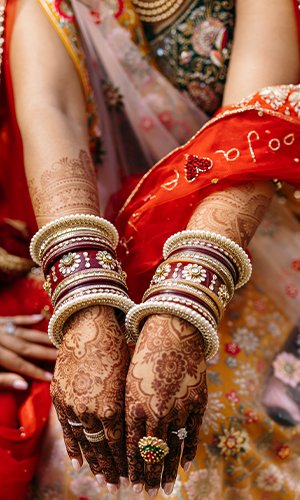
Mehndi Ceremony: The Henna Celebration
What it is: A women-centered celebration where the bride's hands and feet are adorned with henna (mehndi). It's joyful, intimate, and deeply symbolic—the darker the henna stain, the stronger the groom's love, according to tradition.
Timing: Usually 5–7 days before the wedding. Traditionally women-only, but modern celebrations often include everyone.
Guest count: 50–150 people (close family, friends, cousins).
Logistics in California: Mehndi nights are high-energy events with music, dancing, food, and henna artists. You'll need space for a dance floor, a dedicated henna station, and multiple caterers (since appetites peak around 10 PM). Outdoor backyards or banquet halls work well.
Pro tip: Hire 2–3 professional henna artists so wait times stay under 30 minutes. Henna takes 30–60 minutes to apply and must sit for 6–8 hours before rinsing for the darkest color.
Haldi Ceremony: The Turmeric Ritual
What it is: A smaller, intimate gathering (often just family) where turmeric paste (haldi) is applied to the bride and groom's skin. It's believed to cleanse, beautify, and prepare them spiritually for marriage. It's one of the most sacred pre-wedding rituals.
Timing: Usually 1–2 days before the wedding, often in the morning.
Guest count: 15–30 close family members.
Traditions: Elder women apply the paste while singing traditional songs. It's deeply personal and emotional.
Logistics in California: Haldi is often held at the bride's or groom's home. It's short (30–60 minutes) but requires privacy and intimacy. Make sure you have a designated space where the bride/groom can sit comfortably while family gathers around.
Sangeet and Baraat: The Grand Celebrations
Sangeet Night: Music, Dance & Joy
What it is: A high-energy musical celebration where both families sing, dance, and perform songs together. Traditionally, women led the singing; today's Sangeets are co-ed celebrations featuring choreographed dance performances, live bands, and DJs.
Timing: Usually 2–3 days before the wedding. Often on the evening before Baraat.
Guest count: 150–400 people.
Performance traditions:
- Bride's family dances for the groom's family
- Groom's family dances for the bride's family
- Mixed group dances and participatory songs
- Bollywood medleys and classical Indian music
Logistics in California: Sangeets require a spacious venue with a stage, sound system, and dance floor. Banquet halls, open-air gardens, or event spaces work best. You'll need a professional DJ or live band, a choreographer (if planning performances), and a robust catering setup. Sangeets typically run 5–6 hours, so plan multiple food stations and a full bar.
Timing tip: Schedule your Sangeet night coordination early so you can lock in your venue and performers three months in advance.
Baraat: The Groom's Grand Entrance
What it is: A grand procession where the groom, dressed in traditional attire (sherwani), travels to the bride's location accompanied by his family and friends. Traditionally on horseback with drums and musicians; modern versions include cars, palanquins, or boats.
Timing: On the wedding day, usually in the late afternoon or early evening (specific time chosen by an astrologer based on auspicious timing).
Traditions:
- Groom sits atop a decorated horse (or vehicle)
- Music and dancing lead the way (dhol drummers are essential)
- Family members and friends join the procession
- The bride's family welcomes the Baraat with dancing and ritual greetings
Logistics in California: Baraat logistics are complex. You'll need to coordinate with local authorities if your procession uses public roads. Route planning, parking, and timing are critical. Many California couples opt for symbolic Baraats—perhaps a short procession within the venue or a modified route—rather than lengthy street processions due to urban density.
Smart solution: Work with an experienced event coordinator who knows California venue layouts and local regulations. They can design a beautiful, meaningful Baraat that fits your venue.
The Wedding Ceremony: Heart of the Celebration
The Mandap: Sacred Space
The mandap (marriage pavilion) is the centerpiece of the ceremony. It's usually a four-pillared structure, decorated with flowers, fabrics, and lights, where the bride and groom exchange vows and sacred promises.
Ceremony elements:
Phere (Circles Around Fire): The bride and groom walk around a sacred fire (or symbolic fire, depending on venue rules) four or seven times, with each circle representing a different promise—health, wealth, strength, and lifelong companionship. The bride's parents formally give her to the groom's family (Kanyadan).
Mangalsutra & Vermillion (Tilak): The groom ties a sacred thread (mangalsutra) around the bride's neck and applies vermillion (sindoor) to her forehead—signs of marriage in Hindu tradition.
Vows: Couples often exchange personal vows alongside traditional Sanskrit recitations, blending ancient tradition with modern expression.
Logistics in California: Most California venues don't allow actual fires due to fire codes. Work with your venue and an officiant to arrange a symbolic fire alternative (like a decorative oil lamp or digital projection). Ceremony length is typically 45–90 minutes, depending on how many rituals you include.
Adapting Traditions to California Venues
Not all California venues were built for Indian weddings. Here's how to adapt:
Outdoor venues (gardens, vineyards): Ideal for traditional ceremonies. You have space for a large mandap, fire alternative, and guest seating. Challenge: weather and sunset timing.
Ballrooms and banquet halls: Climate-controlled and flexible, but may feel less authentic. Solution: invest in dramatic decor—fabrics, flowers, lighting—to transform the space.
Hybrid venues: Some California venues (especially in Napa, San Diego, and LA) now specialize in Indian weddings and have built-in mandap structures and fire permit alternatives.
Practical Tips for Planning Your Indian Wedding in California
Guest Logistics with 300–500 People
Large guest counts are standard for Indian weddings. Here's how to manage the complexity:
Accommodation: Negotiate a hotel room block 6–9 months out—out-of-state guests need time to book. Work with your hotel on a discounted rate and a cutoff date.
Transportation: Arrange shuttle services between hotels, Sangeet venue, and wedding venue. Parking is often a bottleneck in California—plan for valet or off-site parking with shuttle service.
Meal planning: Multi-day events mean multiple meals. Plan breakfast, lunch, dinner, and snacks across all days. Consider vegetarian and vegan options (many Indian guests are vegetarian).
Timeline coordination: Create a detailed day-of timeline and share it with all vendors, family members, and the wedding party. Indian weddings involve many moving parts—auspicious timing, ceremony sequencing, multiple outfit changes—so clarity is essential.
Vendor Selection & Cultural Competency
Not all California vendors understand Indian wedding logistics. When hiring, ask:
- Have you coordinated Indian weddings before? How many?
- Do you understand multi-day event logistics and auspicious timing?
- Can you handle large guest counts and complex catering needs?
- Are you comfortable with non-traditional requests (Baraat modifications, fire alternatives, etc.)?
Vet vendors carefully. A photographer who's shot 10+ Indian weddings will know to capture the Mehndi application close-ups, Baraat energy, and Mandap sacred moments in ways a generalist might miss.
Budget Considerations
Indian weddings in California typically run $75,000–$250,000+ depending on guest count, venue, and level of detail. Large guest counts (400+) drive costs up significantly. Here's where the spend concentrates:
- Venue & catering: 40–50% (multi-day events, large quantities)
- Decor & mandap design: 15–20%
- Entertainment (DJ, band, Sangeet choreography): 10–12%
- Attire & styling: 8–10%
- Coordination & planning: 5–10%
Frequently Asked Questions About Indian Wedding Traditions
Hindu weddings typically span 3–5 days: Mehndi (1 day), Sangeet (1 day), Baraat + Wedding ceremony (1 day), and Reception (1 day). Some families extend with Haldi and post-wedding brunches. Muslim Indian weddings include Nikah (marriage contract) and Baraat. Sikh weddings are often 1–2 days with the Anand Karaj ceremony.
It depends on your family's preference. Modern Indian weddings typically welcome all guests to all events, though some families prefer Mehndi and Haldi to be family/women-only. Discuss with your parents and clearly communicate expectations to guests in your invitations.
Baraat is the groom's grand entrance procession before the ceremony. It's symbolic—the groom traveling to 'claim' his bride. After Baraat comes the actual wedding ceremony (Phere, vows, rituals at the mandap), then typically a reception dinner.
The key is understanding the spirit of each tradition, not just the form. If a venue can't accommodate an actual fire, a symbolic fire alternative honors the ritual. If a street Baraat doesn't fit your venue, a modified procession within the space preserves the tradition's meaning. Work with your family, officiant, and planner to find these adaptations.
It depends on scope. A traditional Indian wedding with full ceremonies and large guest counts can run $100,000–$300,000+. A smaller, simplified version or fusion wedding might be $50,000–$150,000. The biggest variable is guest count, not tradition.
Start 9–12 months in advance. Indian weddings require specialized vendors (henna artists, dhol players, experienced coordinators), and the best ones book quickly. Secure your venue first, then book catering, photography, and coordination services. Performers (dance choreographers, musicians) should be booked 6–9 months out.
Bringing It All Together: Your Indian Wedding in California
Planning an Indian wedding in California is an honor and a joy—and a complex orchestration. The traditions you're honoring have survived centuries because they're meaningful. Your role is to bring that meaning to life for your family and community, adapting where needed but never losing the soul of what these ceremonies represent.
Whether you're planning a traditional ceremony or a modern fusion, the same principles apply: respect the traditions, understand their meaning, communicate clearly with family, hire experienced vendors, and give yourself enough time to execute with grace.
Ready to plan your dream Indian wedding? Let Picture Perfect Events handle the details—we've orchestrated dozens of beautiful Indian weddings across California and understand every aspect of bringing these traditions to life.
Let's Plan Your Perfect Indian Wedding
From Mehndi to Reception, we handle every detail so you can focus on celebrating. Schedule Your Consultation