Complete Guide to Indian Wedding Traditions & Customs
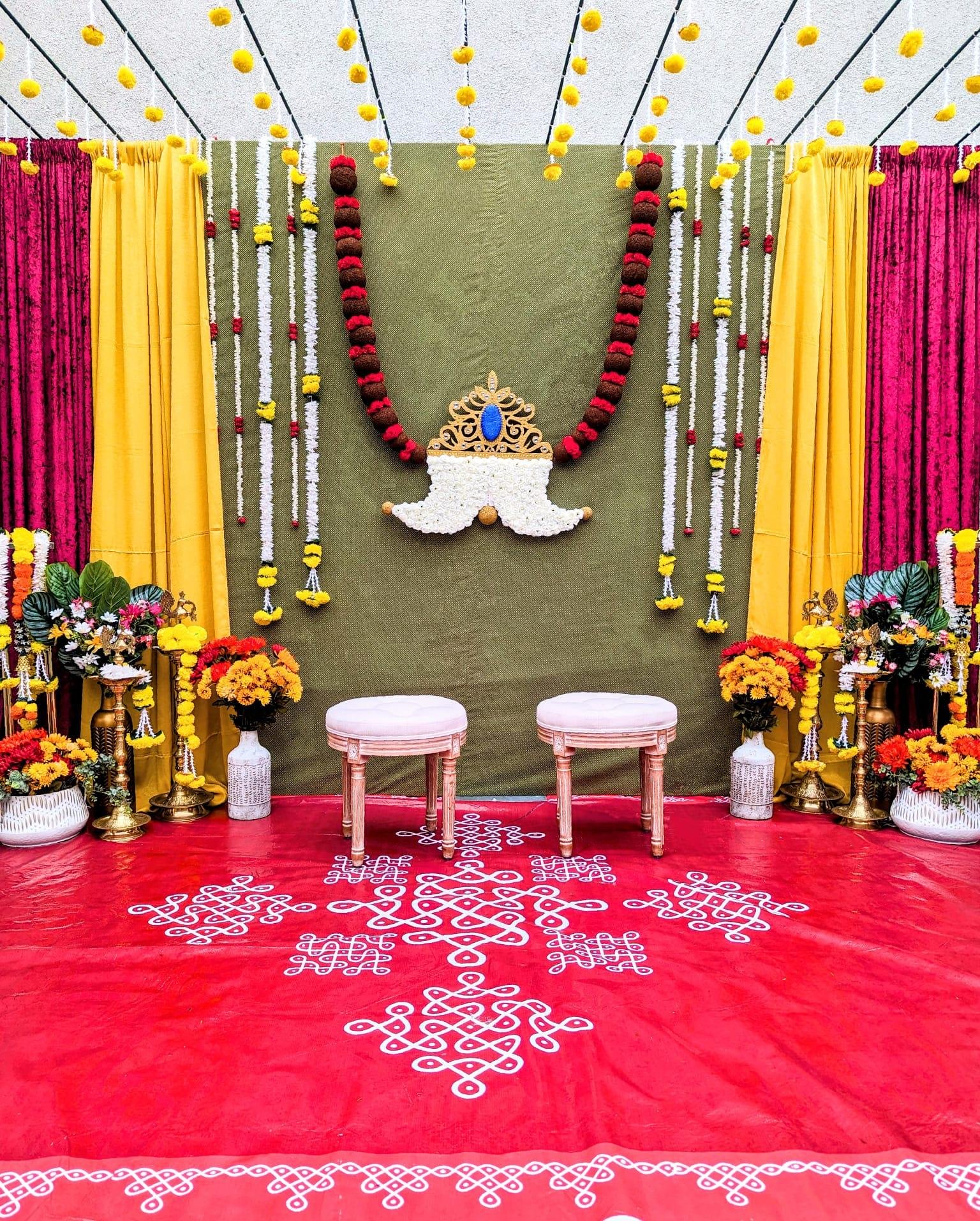
Each tradition carries deep cultural meaning and varies by region and community. Understanding these traditions—their significance, regional variations, and modern interpretations—helps couples honor heritage while creating celebrations that feel authentically personal.
Understanding Indian Wedding Traditions
Indian weddings are not single events but rather a series of interconnected ceremonies, rituals, and celebrations spanning several days. Each ceremony holds spiritual significance, celebrates aspects of marriage and family, and brings together extended family and community. The traditions vary tremendously across India's diverse regions, religions, and communities, yet common themes of celebration, family unity, and spiritual commitment run throughout.
For modern couples, understanding these traditions offers meaningful ways to honor heritage while creating celebrations that feel authentically personal. Many couples thoughtfully blend traditional elements with contemporary approaches, keeping spiritual significance while modernizing the experience.
Why Traditions Matter in Indian Weddings
Indian wedding traditions serve multiple purposes beyond celebration. They mark significant life transitions, spiritually prepare couples for marriage, strengthen family and community bonds, and provide continuity with ancestral customs. Rituals carry meanings that bless the couple, ensure prosperity, and honor the families' histories. For many couples, maintaining these traditions connects them to their heritage and honors their ancestors.
The Mehendi Ceremony — Celebration of Henna & Joy
The mehendi ceremony is perhaps the most visually striking and joyful of Indian wedding pre-events. The word 'mehendi' refers to henna, and the ceremony centers around the application of intricate henna designs to the bride's hands and feet. Far more than a beauty treatment, mehendi is a celebration of femininity, fertility, joy, and the bride's transition into married life.
Mehendi Traditions & Significance
Traditionally, mehendi is celebrated 5-7 days before the wedding, typically in the afternoon or evening. Historically, it was a women-only gathering, bringing together the bride's female relatives and close friends. The tradition likely originated in South Asia thousands of years ago, with henna's temporary nature symbolizing the transience of earthly beauty and the eternal nature of love.
The darkness and depth of the mehendi stain were believed to indicate the groom's love for the bride—the darker the mehendi, the deeper the love. This superstition persists today, with brides carefully protecting their hennaed hands until the stain is darkest.
Modern Mehendi Celebrations
Contemporary mehendi ceremonies have evolved significantly while maintaining their core joy and meaning. Modern mehendis often include both men and women, extensive entertainment including professional dancers and singers, elaborate décor transformations, and sophisticated catering. Some couples incorporate live music, dance competitions, or special performances.
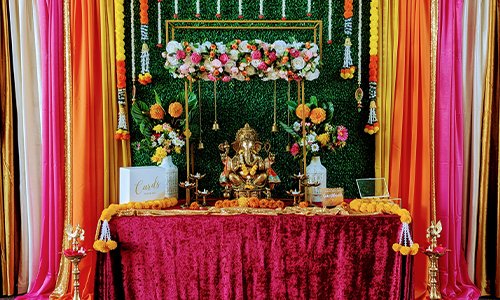
Yet the spiritual core remains: the application of henna, family gathering, celebration of the bride, and cultural continuity. Many modern brides make choices about their mehendi that feel personally meaningful—perhaps including both families equally, adding contemporary music alongside traditional songs, or creating a celebration reflecting their specific cultural background.
Regional Variations in Mehendi
Mehendi celebrations vary across Indian regions. In Punjabi traditions, mehendi is often large and elaborate with energetic music and dancing. In Gujarati weddings, mehendi night features folk dances like the garba. In South Indian celebrations, mehendi might be simpler but deeply spiritual. Pakistani and Bangladeshi mehendis emphasize music and female family bonding.
Sangeet Night — Celebration Through Music & Dance
Sangeet, meaning 'music' in Sanskrit, is an evening celebration of music, dance, and joy. Traditionally held 3-4 days before the wedding, sangeet brings together both families to celebrate through song and performance. Historically, women from the bride's family would gather to sing traditional songs, celebrate the bride, and prepare musically and emotionally for the wedding.
Sangeet Traditions & Evolution
In traditional celebrations, family members would perform improvisational songs, often humorous or teasing about the groom and bride's families. Elders would sing blessings and wisdom songs. The evening was informal, heartfelt, and deeply personal—a family affair celebrating through music.
Modern sangeet nights have transformed into sophisticated entertainment events often featuring professional choreography, celebrity performances, coordinated group dances, and lavish production. Yet the heart remains: celebrating the couple and families through music and performance.
Modern Sangeet Components
Contemporary sangeets often include professional DJ or live musicians, choreographed dance performances with family participation, comedy acts or entertainment, themed décor and lighting, cocktail or reception-style catering, and photo opportunities. Many include coordinated family dances, sangeet competitions, or special tributes to the couple.
Some couples blend traditional and modern by including family performances alongside professional entertainment, or by featuring traditional music alongside contemporary songs.
Regional Sangeet Variations
Punjabi sangeets are known for energetic dancing and music, often featuring Bhangra. Gujarati celebrations might include folk dances and garba. Marathi sangeets emphasize devotional music. South Indian sangeets might be more formal and structured. Pakistani and Bangladeshi sangeets emphasize female family participation and singing.
Haldi Ritual — Spiritual Purification & Golden Preparation
Haldi, meaning turmeric in Hindi, is a pre-wedding ritual where turmeric paste is applied to the bride's skin as a purification and beauty treatment. Traditionally held 1-2 days before the wedding, haldi is deeply spiritual and often intimate. The golden color of turmeric is considered auspicious, and the ritual is believed to bless the bride, purify her spiritually, and prepare her physically for marriage.
Haldi Spiritual Significance
Turmeric has been used in Indian wellness and beauty practices for millennia. Beyond its cosmetic benefits, turmeric is believed to have purifying and protective properties. The haldi ritual combines spiritual cleansing with celebration, preparing the bride for her wedding day both literally and spiritually.
Traditionally, elder women apply turmeric paste to the bride and her female family members. The ritual is often accompanied by singing, prayers, and blessings. Haldi was historically a women's-only ceremony, the most intimate and personal of the pre-wedding events.
Modern Haldi Interpretations
Some modern couples maintain traditional haldi ceremonies in their homes with family performing the ritual. Others blend tradition with wellness by incorporating spa elements, professional makeup artists preparing the bride for her wedding day, or a wellness-focused celebration. Some couples extend invitations to both men and women while keeping the spiritual core.
Contemporary haldis might feature professional henna artists, massage therapists, or beauty treatments alongside the turmeric ritual. The key is maintaining the spiritual significance while adapting to the couple's preferences.
The Wedding Ceremony — Regional Variations & Sacred Rituals
The wedding ceremony itself varies tremendously across India's diverse regions, faiths, and communities. While ceremonies may differ in specific rituals, common elements include sacred vows, family blessings, spiritual rituals, symbolic exchanges, and celebrations of the union.
North Indian Hindu Ceremony
North Indian Hindu ceremonies typically feature the mandap (sacred canopy), varmala (exchange of flower garlands), and pheras (circling the sacred fire). The groom's baraat (procession) arrives to meet the bride. Key rituals include the mangalsutra (sacred necklace worn by married women), mehendi on the groom's hands, and blessings from elders.
South Indian Ceremony
South Indian ceremonies emphasize ritual precision and often include the Thali ceremony (tying the sacred necklace), Talambralu (rice exchange), and specific regional variations. South Indian ceremonies often follow a structured sequence of rituals with specific Sanskrit chants and family roles.
Sikh Ceremony (Anand Karaj)
Sikh wedding ceremonies, called Anand Karaj, take place in the Gurdwara (Sikh temple) with specific rituals including laavan (circumambulation), shabad (sacred hymns), and Karah Parsad (blessed rice pudding). The ceremony emphasizes spiritual union and equality between partners.
Muslim Ceremonies
Muslim wedding ceremonies (Nikah) involve specific Islamic rituals including the Ijab (bride's acceptance), Qabul (groom's acceptance), and Mahr (groom's gift to bride). Ceremonies may include Quranic recitation, spiritual leaders, and family blessings.
Reception & Post-Wedding Celebrations
The reception celebrates the wedding with family, food, music, and dancing. The couple makes their grand entrance, dances their first dance, and guests offer congratulations. Modern receptions often include multiple courses of catering, choreographed entertainment, photo opportunities, and extended celebration.
Traditionally, the reception follows the wedding ceremony, though some modern celebrations host receptions the evening after the wedding day, allowing time for the couple to rest from the day's emotional intensity.
Regional Reception Variations
Reception styles vary by region. North Indian receptions feature elaborate multi-course meals, Bollywood-style music and dancing, and extended celebrations. South Indian receptions might emphasize seated-meal service and structured entertainment. Some communities feature specific regional music or dance traditions.
Honoring Traditions While Creating Modern Celebrations
Many contemporary couples thoughtfully blend traditional elements with modern preferences, keeping spiritual significance while adapting the experience. This might involve maintaining core rituals while updating décor and entertainment, including modern music alongside traditional songs, or creating new rituals meaningful to their specific families.
The key is understanding why traditions matter to your family, then making conscious choices about which to maintain and how to adapt them. Working with an experienced Indian wedding planner can help you navigate these decisions with respect for tradition and authenticity in your personal celebration.
Frequently Asked Questions About Indian Wedding Traditions
Many couples successfully blend traditional and modern by keeping meaningful rituals while updating other elements. You might maintain sacred ceremonies exactly while modernizing décor, entertainment, or catering. Or you might create new rituals meaningful to your specific families. The key is understanding which traditions hold deep meaning and protecting those while having freedom with other elements.
Indian traditions vary significantly by region. North Indian ceremonies emphasize mandap and fire rituals. South Indian ceremonies follow specific sequences and regional music traditions. Punjabi celebrations feature Bhangra and specific Sikh traditions. Gujarati weddings have unique folk dances and customs. Pakistani, Bangladeshi, and Sri Lankan traditions add further diversity. If your family has specific regional customs, understanding them helps you decide how to honor them in your celebration.
Yes, absolutely. While some families expect all traditional events, many modern couples customize which events to hold. Some might skip haldi but emphasize mehendi and sangeet. Others might combine events or reduce the number of celebrations. This is your wedding—make choices that feel right for you and your family, while being respectful of traditions that matter to your loved ones.
Planning Celebrations That Honor Your Traditions
If you want to ensure your traditions are honored authentically and executed beautifully, working with an experienced Indian wedding planner can be invaluable. A planner familiar with your specific regional traditions can help you maintain spiritual significance while creating celebrations that feel personal and modern.
At Picture Perfect Events, we specialize in helping couples navigate the balance between honoring traditions and creating authentic celebrations. We understand regional variations, can connect you with vendors familiar with your specific traditions, and help you make intentional choices about which customs matter most to you.